



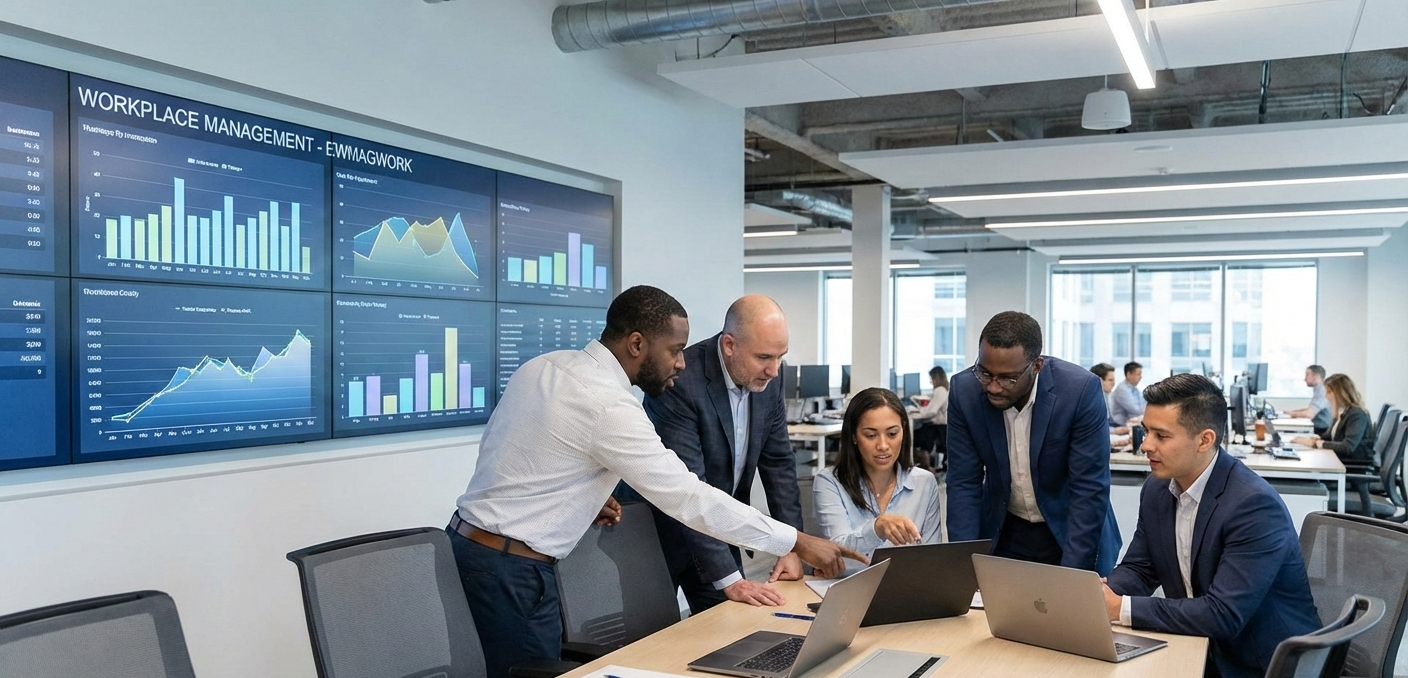
Workplace management has evolved far beyond simple supervision workplace management ewmagwork and office rules. In today’s fast-moving professional world, organizations are expected to create environments that support productivity, employee well-being, collaboration, and long-term growth. This is where the concept of workplace management comes into play, offering a modern perspective on how workplaces should be structured, managed, and continuously improved.
This article explores workplace management in depth, covering its principles, benefits, challenges, strategies, tools, leadership roles, and future trends. Whether you are a business owner, manager, team leader, or professional seeking to understand how effective workplace systems function, this guide provides a complete overview in clear and practical language.
Understanding Workplace Management Ewmagwork
Workplace management ewmagwork refers to a structured and people-focused approach to managing work environments, employees, resources, and workflows. It emphasizes balance—between organizational goals and employee needs—while ensuring that operations run smoothly and efficiently.
At its core, workplace management ewmagwork is about creating systems that allow people to perform at their best. It connects physical workspace design, organizational culture, communication processes, leadership practices, and performance management into one cohesive framework.
The Evolution of Workplace Management
Traditional workplace management relied heavily on hierarchy, strict supervision, and fixed schedules. While these methods worked in the past, modern workplaces demand flexibility, adaptability, and emotional intelligence.
Workplace management ewmagwork reflects this evolution. It acknowledges remote work, hybrid teams, digital tools, and the importance of mental well-being. Instead of focusing solely on output, it considers how work is done, how people interact, and how environments influence performance.
Key Principles of Workplace Management Ewmagwork
Employee-Centered Design
One of the strongest principles of workplace management ewmagwork is putting people first. Employees are not just resources; they are contributors whose comfort, motivation, and engagement directly impact results.
This includes:
- Comfortable and safe workspaces
- Reasonable workloads
- Opportunities for growth
- Respectful communication
When employees feel valued, productivity increases naturally.
Clear Communication Channels
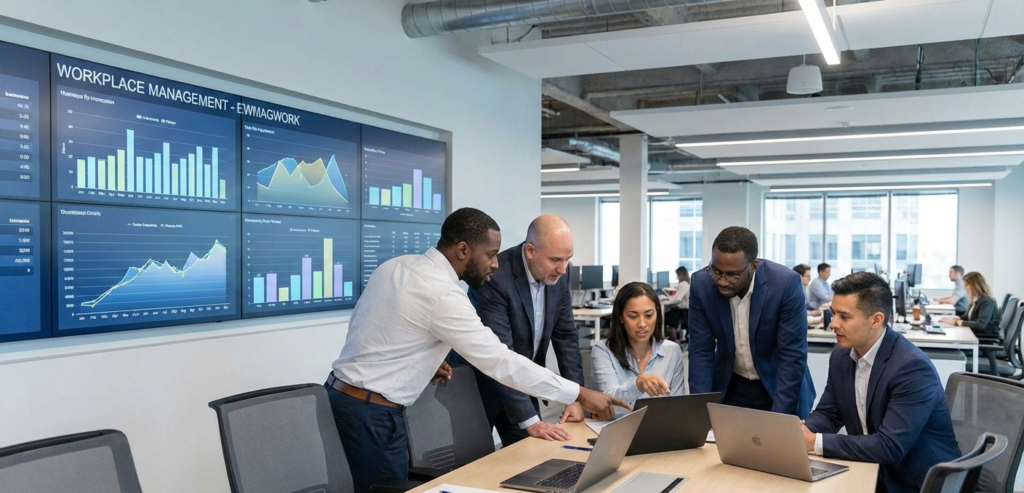
Confusion in communication leads to mistakes, frustration, and wasted time. Workplace management ewmagwork prioritizes clarity by establishing defined communication channels.
This means:
- Clear reporting structures
- Regular team updates
- Open feedback systems
- Transparent decision-making
Good communication builds trust and reduces conflict.
Efficient Use of Resources
Managing resources wisely is another important aspect. This includes physical resources like office space and equipment, as well as human resources such as skills and time.
Workplace management ewmagwork encourages:
- Smart space planning
- Proper task allocation
- Minimizing unnecessary expenses
- Reducing burnout
Efficiency does not mean pressure—it means working smarter.
The Role of Leadership in Workplace Management Ewmagwork
Leadership plays a critical role in shaping workplace culture. Managers and leaders set the tone for behavior, communication, and expectations.
In workplace management ewmagwork, leaders are expected to:
- Act as mentors rather than controllers
- Encourage collaboration
- Support employee development
- Lead by example
Strong leadership creates an environment where employees feel safe to share ideas and take initiative.
Building a Positive Workplace Culture
Culture is the invisible force that influences how people behave at work. A positive culture encourages teamwork, accountability, and respect.
Workplace management ewmagwork promotes cultures that:
- Celebrate diversity
- Encourage learning
- Recognize achievements
- Address issues fairly
When culture aligns with organizational values, employees naturally become more engaged.
Workplace Management Ewmagwork and Productivity
Productivity is not about working longer hours; it’s about producing better results with focused effort. Poor workplace management often leads to distractions, unclear goals, and unnecessary stress.
With workplace management ewmagwork:
- Goals are clearly defined
- Tasks are aligned with strengths
- Interruptions are minimized
- Employees understand their purpose
This creates an environment where productivity feels natural rather than forced.
Managing Remote and Hybrid Teams
Modern workplaces are no longer limited to physical offices. Remote and hybrid work models are now common, and managing them effectively requires new strategies.
Workplace management ewmagwork adapts by:
- Using digital collaboration tools
- Setting clear expectations
- Maintaining regular check-ins
- Focusing on outcomes instead of hours
Trust becomes a key factor in managing distributed teams successfully.
Technology and Workplace Management Ewmagwork
Technology plays a supportive role in workplace management ewmagwork. Tools help streamline communication, track progress, and manage workflows without overwhelming employees.
Common areas where technology supports management include:
- Task coordination
- Scheduling
- Performance tracking
- Internal communication
The goal is to simplify work, not complicate it.
Performance Management in Modern Workplaces
Performance management is often misunderstood as strict evaluation. In reality, workplace management ewmagwork views performance as an ongoing process.
It includes:
- Clear goal setting
- Regular feedback
- Skill development
- Fair evaluations
When performance management focuses on growth rather than punishment, employees feel motivated to improve.
Employee Well-Being and Mental Health
Employee well-being is no longer optional. Stress, burnout, and disengagement can harm both individuals and organizations.
Workplace management ewmagwork recognizes the importance of:
- Work-life balance
- Mental health awareness
- Flexible scheduling
- Supportive policies
Healthy employees are more creative, loyal, and productive.
Conflict Resolution in the Workplace
Conflicts are inevitable in any organization. What matters is how they are handled.
Through workplace management ewmagwork:
- Issues are addressed early
- Open dialogue is encouraged
- Fair solutions are prioritized
- Respect is maintained
Effective conflict management prevents small issues from becoming major problems.
Training and Skill Development
Continuous learning is essential in a rapidly changing professional landscape. Workplace management ewmagwork supports ongoing development by providing opportunities to upgrade skills.
This includes:
- On-the-job training
- Workshops and mentoring
- Knowledge sharing sessions
- Career development plans
Employees who grow with the organization are more likely to stay committed.
Measuring Success in Workplace Management Ewmagwork
Success is not measured only by profits. A well-managed workplace also considers employee satisfaction, retention, and engagement.
Indicators of effective workplace management ewmagwork include:
- Low employee turnover
- Positive team relationships
- Consistent performance
- Strong organizational reputation
These signs reflect a healthy and sustainable workplace.
Challenges in Implementing Workplace Management Ewmagwork
Despite its benefits, implementation can be challenging. Resistance to change, lack of awareness, and limited resources may slow progress.
Common challenges include:
- Adapting old management styles
- Aligning teams with new processes
- Maintaining consistency
- Balancing flexibility with accountability
Overcoming these challenges requires patience, leadership commitment, and continuous improvement.
Strategies for Effective Implementation
To successfully apply workplace management ewmagwork, organizations should take a structured approach.
Key strategies include:
- Assessing current workplace practices
- Identifying gaps and improvement areas
- Involving employees in decision-making
- Monitoring progress and making adjustments
Small, consistent changes often produce the best long-term results.
Workplace Management Ewmagwork and Employee Engagement
Engaged employees care about their work and the organization’s success. They go beyond basic requirements and contribute ideas and energy.
Workplace management ewmagwork enhances engagement by:
- Giving employees a voice
- Recognizing contributions
- Providing meaningful work
- Encouraging autonomy
Engagement builds loyalty and long-term commitment.
Ethical Practices and Fairness
Ethics and fairness are foundational to trust. Employees must believe that policies are applied equally and decisions are made honestly.
Workplace management ewmagwork emphasizes:
- Transparent policies
- Equal opportunities
- Respectful treatment
- Accountability at all levels
An ethical workplace earns respect internally and externally.
Adapting to Change in the Workplace
Change is constant—new technologies, market demands, and workforce expectations require adaptability.
Workplace management ewmagwork supports change by:
- Preparing employees through communication
- Offering training and support
- Encouraging adaptability
- Reducing uncertainty
Organizations that manage change well remain competitive and resilient.
The Future of Workplace Management Ewmagwork
Looking ahead, workplace management will continue to evolve. Flexibility, inclusivity, and innovation will shape future workplaces.
Workplace management ewmagwork is likely to focus more on:
- Personalized work experiences
- Advanced collaboration tools
- Stronger focus on well-being
- Purpose-driven leadership
Organizations that embrace these trends will be better positioned for long-term success.
Final Thoughts
Workplace management ewmagwork represents a modern, thoughtful approach to managing people and environments. It goes beyond rules and structures, focusing instead on human connection, efficiency, and sustainable growth.
By prioritizing communication, leadership, well-being, and adaptability, organizations can create workplaces where employees feel motivated, respected, and empowered. In such environments, success is not forced—it naturally follows.
A well-managed workplace is not just a place to work; it is a space where people grow, collaborate, and achieve meaningful results together
READ MORE: Blogbuzznews.com
