



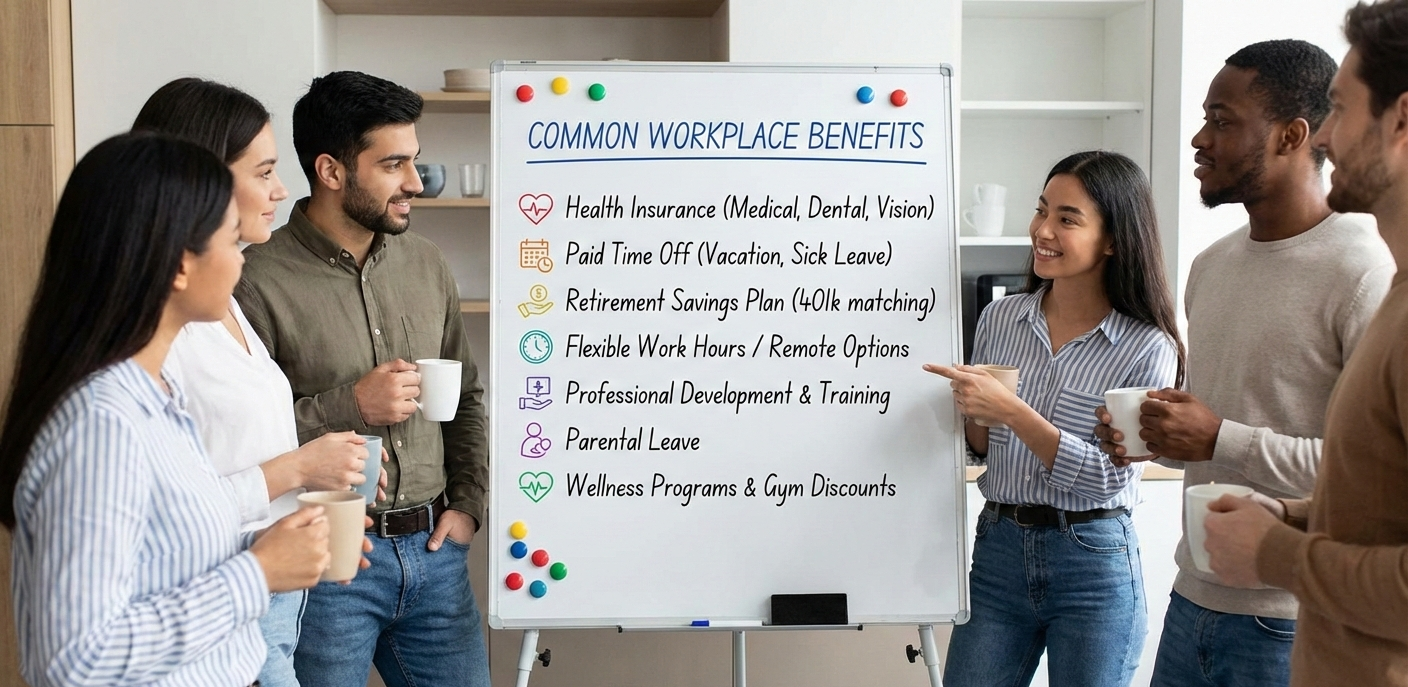
Which of the following is considered part of your workplace benefits?, Workplace benefits play a crucial role in shaping how employees feel about their jobs, their employers, and their overall quality of life. When people ask, they are usually trying to understand what they are truly entitled to beyond a basic paycheck. The answer is broader and more meaningful than many people realize.
In today’s modern work environment, benefits are no longer limited to health insurance and paid leave. They now include mental well-being support, professional development opportunities, flexible schedules, and even workplace culture itself. Understanding these benefits empowers employees to make better career decisions and helps employers create healthier, more productive teams.
This article explores workplace benefits in depth, breaking down the different categories, real-world examples, and why these benefits matter so much in both professional and personal life.
Understanding Workplace Benefits in Simple Terms
Before diving deeper into the question, which of the following is considered part of your workplace benefits?, it’s important to understand what workplace benefits actually are.
Workplace benefits are non-wage compensations provided to employees in addition to their regular salary. These benefits are designed to support employees’ health, security, growth, and overall satisfaction. While salary pays the bills, benefits improve quality of life.
Some benefits are legally required, while others are offered voluntarily by employers to attract and retain talent. Together, they form a complete compensation package.
Why Workplace Benefits Matter More Than Ever
The importance of workplace benefits has grown significantly over the past decade. Employees today value balance, stability, and long-term growth just as much as financial compensation.
When asking which of the following is considered part of your workplace benefits?, people are often surprised to learn that benefits can directly affect:
- Physical health
- Mental well-being
- Job satisfaction
- Career progression
- Financial security
- Work-life balance
Employers who invest in benefits often see higher productivity, lower turnover, and stronger loyalty from their workforce.
Health Insurance as a Core Workplace Benefit
One of the most common answers to which of the following is considered part of your workplace benefits? is health insurance.
Health insurance typically covers medical expenses such as doctor visits, hospital stays, medications, and preventive care. In many workplaces, this benefit extends to family members as well.
Types of Health Coverage
Health benefits may include:
- General medical insurance
- Dental coverage
- Vision care
- Prescription drug plans
- Mental health services
Access to health insurance reduces stress and ensures employees can focus on their work without worrying about medical costs.
Paid Time Off and Leave Benefits
Paid time off is another major workplace benefit that employees highly value. It includes time away from work while still receiving regular pay.
Common Types of Paid Leave
When considering which of the following is considered part of your workplace benefits?, paid leave often includes:
- Annual or vacation leave
- Sick leave
- Personal days
- Public holidays
- Bereavement leave
These benefits support rest, recovery, and personal responsibilities, helping employees maintain a healthy balance between work and life.
Retirement Plans and Financial Security
Retirement benefits are designed to support employees after their working years. Many employers contribute to retirement savings plans as part of their benefits package.
Examples of Retirement Benefits
- Pension plans
- Employer-matched retirement contributions
- Long-term savings programs
For many people, retirement planning answers a critical part of which of the following is considered part of your workplace benefits?, as it impacts long-term financial stability.

Flexible Working Arrangements
Modern workplaces increasingly recognize flexibility as a valuable benefit. Flexibility helps employees manage personal commitments while staying productive.
Types of Workplace Flexibility
Flexible benefits may include:
- Remote work options
- Hybrid work models
- Flexible working hours
- Compressed workweeks
Flexibility has become one of the most desired answers to which of the following is considered part of your workplace benefits?, especially for employees with families or long commutes.
Mental Health and Wellness Support
Mental well-being is now a key component of workplace benefits. Employers are realizing that emotional health is just as important as physical health.
Mental Health Benefits at Work
These benefits may include:
- Counseling services
- Stress management programs
- Wellness workshops
- Employee assistance programs
When people ask which of the following is considered part of your workplace benefits?, mental health support is increasingly recognized as essential rather than optional.
Professional Development and Career Growth
Career growth opportunities are a powerful but often overlooked workplace benefit. Employees want to grow, learn, and improve their skills.
Development-Focused Benefits
Examples include:
- Training programs
- Workshops and seminars
- Tuition assistance
- Online learning access
- Mentorship programs
Professional development helps employees feel valued and invested in, making it a strong answer to which of the following is considered part of your workplace benefits?.
Bonuses, Incentives, and Performance Rewards
Financial incentives beyond base salary also fall under workplace benefits. These rewards recognize effort, performance, and dedication.
Common Incentive Benefits
- Performance bonuses
- Profit-sharing plans
- Sales commissions
- Recognition awards
Such incentives motivate employees and reinforce positive behavior, adding another dimension to the question of which of the following is considered part of your workplace benefits?.
Workplace Safety and Security
A safe working environment is a fundamental benefit that employees often take for granted. Safety policies and protections are critical to employee well-being.
Safety-Related Benefits
- Safe equipment and facilities
- Emergency preparedness
- Health and safety training
- Job security measures
Safety is a silent but powerful answer to which of the following is considered part of your workplace benefits?, because without it, nothing else matters.
How Workplace Benefits Influence Employee Loyalty
One of the most powerful impacts of workplace benefits is employee loyalty. When workers feel supported, they are far more likely to stay with an organization long-term. A strong benefits package sends a clear message that the employer values people, not just performance.
When employees think about which of the following is considered part of your workplace benefits?, they often connect it to how secure and respected they feel at work. Loyalty grows when benefits align with real-life needs, not just corporate policies.
Family-Friendly Workplace Benefits
Many employers now offer benefits designed to support employees’ family lives. These benefits recognize that work and family are closely connected.
Family-Oriented Benefits
- Parental leave
- Childcare support
- Family health coverage
- Flexible schedules for parents
Family-friendly benefits improve employee loyalty and satisfaction, making them an important part of modern benefit packages.
Workplace Culture as an Unspoken Benefit
Not all benefits are written in policy documents. Workplace culture itself can be a major benefit.
Cultural Benefits at Work
- Respectful communication
- Inclusive environment
- Supportive leadership
- Team collaboration
When employees feel valued and respected, workplace culture becomes a meaningful answer to which of the following is considered part of your workplace benefits?.
Transportation and Commuting Support
Some employers help reduce the burden of commuting by offering transportation benefits.
Examples of Transportation Benefits
- Travel allowances
- Fuel reimbursements
- Company transport
- Parking facilities
These benefits save time and money, especially in urban areas with long commutes.
Food and Daily Convenience Benefits
Small daily conveniences can significantly improve employee satisfaction.
Common Convenience Benefits
- Free or subsidized meals
- Snacks and beverages
- On-site cafeterias
While simple, these perks still contribute to the overall answer of which of the following is considered part of your workplace benefits?.
Technology and Equipment Support
In many workplaces, especially remote or hybrid environments, technology support is essential.
Technology-Related Benefits
- Company laptops or devices
- Internet reimbursement
- Software access
These benefits enable employees to work efficiently and comfortably.
Legal and Insurance Protections
Some employers offer additional protection through insurance and legal assistance.
Protection Benefits
- Life insurance
- Disability coverage
- Legal consultation services
These benefits provide peace of mind during unexpected life events.
How Workplace Benefits Vary by Industry
The answer to which of the following is considered part of your workplace benefits? can vary depending on the industry.
- Corporate roles may emphasize retirement and bonuses
- Tech jobs often offer flexibility and learning opportunities
- Healthcare roles focus on insurance and wellness
- Creative industries highlight flexibility and culture
Understanding industry norms helps employees set realistic expectations.
Workplace Benefits and Employee Satisfaction
There is a strong link between benefits and job satisfaction. Employees who feel supported are more engaged and motivated.
Benefits help employees:
- Feel secure
- Reduce stress
- Stay loyal to employers
- Perform better
This connection explains why the question which of the following is considered part of your workplace benefits? is so important.
How Employees Can Make the Most of Their Benefits
Many employees are unaware of the full range of benefits available to them. Reading policies and asking questions can unlock hidden value.
Tips for Employees
- Review employee handbooks
- Attend HR information sessions
- Ask about unused benefits
- Plan benefits around personal goals
Awareness turns benefits into real advantages.
The Future of Workplace Benefits
Workplace benefits continue to evolve as employee expectations change.
Future trends may include:
- Increased focus on mental health
- More personalized benefit packages
- Greater flexibility
- Stronger emphasis on well-being
As work environments change, the meaning of which of the following is considered part of your workplace benefits? will continue to expand.
Final Thoughts
So, which of the following is considered part of your workplace benefits? The answer includes far more than most people expect. From health insurance and paid leave to flexibility, growth opportunities, and workplace culture, benefits shape the entire work experience.
Understanding these benefits empowers employees to choose better workplaces and helps employers build stronger, happier teams. In the end, workplace benefits are not just extras—they are essential foundations for a successful and fulfilling professional life
READ MORE: Blogbuzznews.com
