



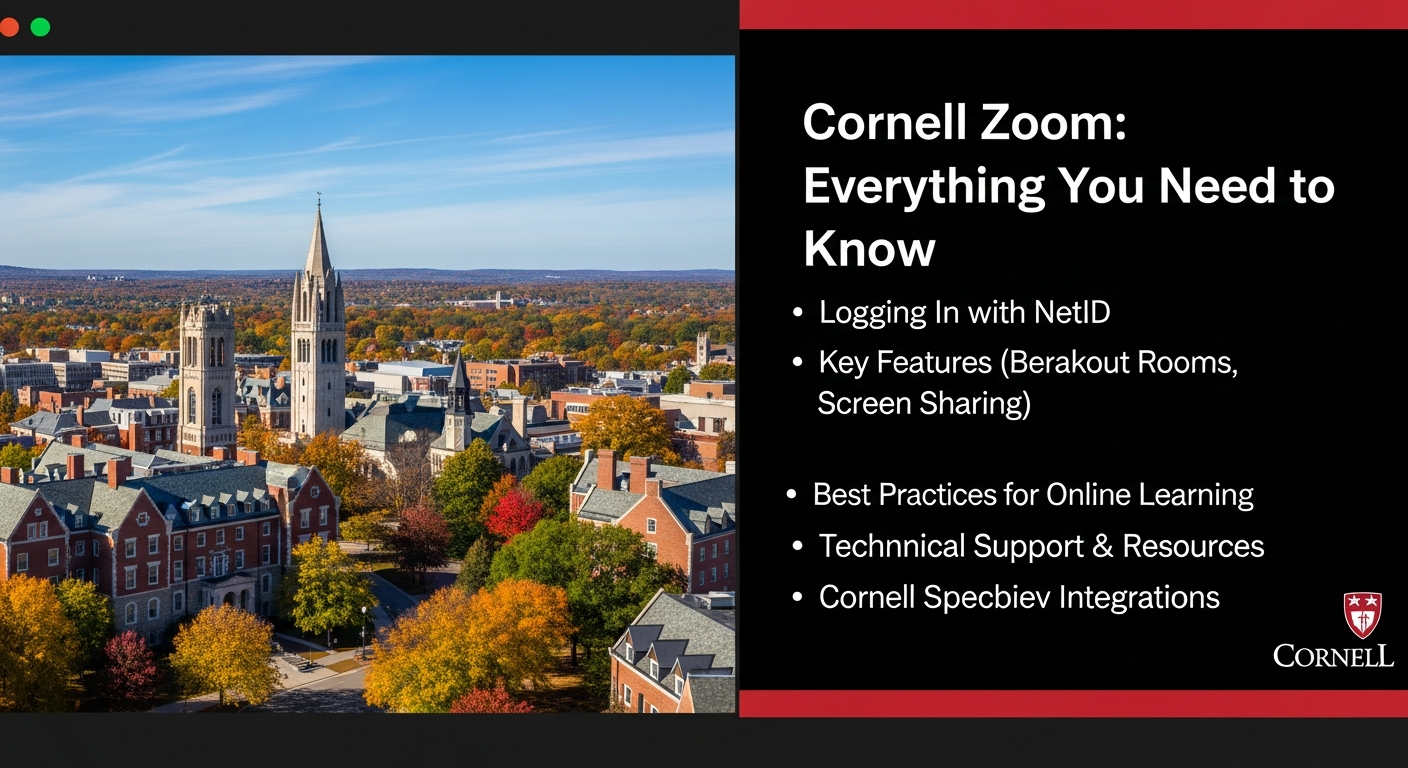
Cornell University, one of the leading Ivy League institutions, has long been at the forefront of technology integration in education. Among the many digital tools utilized by Cornell, Zoom has emerged as an essential platform for virtual learning, meetings, and events. This article explores everything you need to know about Cornell Zoom, its features, benefits, and how it enhances the academic experience for students, faculty, and staff.
What is Cornell Zoom
Cornell Zoom is the official Zoom platform supported by Cornell University. Zoom is a video conferencing software that allows users to conduct virtual meetings, classes, webinars, and collaborative sessions. At Cornell, Zoom is integrated into the university’s online systems, allowing students, faculty, and staff to schedule, join, and manage meetings with their Cornell credentials.
Using Cornell Zoom ensures access to secure, reliable, and fully supported video conferencing. It also integrates with Cornell’s learning management system, Canvas, making it easier for instructors to host live lectures and office hours while maintaining privacy and security standards required by the university.
Features of Cornell Zoom
Cornell Zoom offers a robust set of features designed to facilitate virtual collaboration and learning:
High-Quality Video and Audio: Cornell Zoom supports HD video and audio, ensuring clear communication during classes, meetings, and webinars.
Screen Sharing: Participants can share their screens to present slides, documents, or live demos. This is particularly useful for professors explaining complex concepts or students presenting group projects.
Breakout Rooms: Breakout rooms allow instructors to divide participants into smaller groups for discussions or group work, simulating in-class collaboration in a virtual environment.
Recording and Cloud Storage: Zoom meetings can be recorded and stored securely on the Cornell cloud, enabling students to revisit lectures and sessions for review.
Chat and Reactions: The chat feature allows participants to ask questions or comment without interrupting the speaker. Reactions, like raising a virtual hand, make it easy for participants to engage during sessions.
Polling and Quizzes: Professors can conduct live polls and quizzes during lectures to check understanding or encourage participation.
Security Features: Cornell Zoom includes password protection, waiting rooms, and controlled access to ensure meetings remain private and secure.
How to Access Cornell Zoom
Accessing Cornell Zoom is simple for anyone affiliated with the university:
- Cornell NetID Login: Users can log in using their Cornell NetID and password. This ensures secure access to the platform.
- Integration with Canvas: Many courses have Zoom links directly embedded in Canvas, making it easy for students to join lectures with one click.
- Zoom Client Download: Users can download the Zoom desktop client or mobile app for a better experience, although browser access is also available.
Once logged in, students, faculty, and staff can schedule meetings, join existing meetings, or host webinars based on their needs.
Benefits of Using Cornell Zoom
Cornell Zoom offers numerous benefits to both students and faculty:
Flexibility: Virtual classes and meetings provide flexibility, allowing participants to attend from anywhere, reducing travel time, and accommodating different schedules.
Enhanced Learning Experience: Interactive features like breakout rooms, polls, and screen sharing enhance engagement and make online learning more effective.
Accessibility: Recorded sessions and closed captions ensure that all students, including those with disabilities, can access educational content.
Collaboration: Zoom makes group work, departmental meetings, and student-faculty interactions seamless, even when participants are in different locations.
Consistency: With all meetings conducted through a unified platform, users experience consistent performance, security, and support.
Cornell Zoom for Faculty
For faculty members, Cornell Zoom is a vital tool for teaching, collaboration, and research:
- Faculty can schedule and host lectures, office hours, and group discussions.
- Zoom supports integration with Canvas, allowing automatic recording of lectures and attendance tracking.
- Researchers can use Zoom to collaborate with colleagues worldwide without travel costs.
- Faculty can conduct workshops, seminars, and academic conferences with ease using webinar and breakout features.
Cornell Zoom for Students
Students at Cornell benefit from Zoom in multiple ways:
- Attending live lectures and tutorials remotely.
- Participating in virtual study groups and project meetings.
- Accessing recorded lectures for revision and study at their own pace.
- Engaging with faculty during office hours or Q&A sessions.
- Joining student organizations and campus events virtually.
Troubleshooting Common Issues
Like any technology, users may encounter occasional issues with Cornell Zoom. Common problems include:
- Connectivity Issues: Slow internet can affect video and audio quality. Using a wired connection or moving closer to the Wi-Fi source often resolves this.
- Login Problems: Ensure that you are using your Cornell NetID and password. Clearing browser cache or updating the Zoom client can also help.
- Audio or Video Malfunctions: Check microphone and camera settings in Zoom and on your device. Restarting the app or device often resolves conflicts.
- Access Restrictions: Some meetings require passwords or host approval. Contact the meeting organizer if you cannot join.
Cornell’s IT department provides support for Zoom-related issues and can guide users through more advanced troubleshooting.
Security and Privacy on Cornell Zoom
Cornell University takes security and privacy seriously. Zoom meetings hosted through Cornell are encrypted, password-protected, and often require authenticated login. Waiting rooms prevent unauthorized access, and hosts have control over participant permissions, such as screen sharing or recording.
For sensitive discussions, such as research meetings or confidential administrative sessions, Cornell Zoom ensures compliance with privacy policies and federal regulations, protecting both students and faculty.
Tips for Maximizing Cornell Zoom Experience
- Use a headset or external microphone for better audio quality.
- Ensure proper lighting when on video to appear clear and professional.
- Familiarize yourself with Zoom features like breakout rooms, polls, and screen sharing before meetings.
- Mute yourself when not speaking to reduce background noise.
- Record important sessions if allowed, for future reference.
Cornell Zoom Events and Webinars
Cornell Zoom is not just for classes. The platform is widely used for webinars, guest lectures, and public events. These events allow alumni, prospective students, and community members to participate in Cornell’s academic and cultural activities virtually.
Webinars hosted on Cornell Zoom can support hundreds of participants, include Q&A sessions, and provide post-event recordings. This expands the reach of Cornell’s programs globally, making knowledge more accessible.
The Future of Cornell Zoom
As digital learning continues to evolve, Cornell Zoom will remain a central part of the university’s technological infrastructure. With ongoing updates, improved integration, and advanced features like AI-powered transcription and analytics, Zoom will enhance the online learning and collaboration experience further.
Cornell University is committed to leveraging Zoom not only as a communication tool but as a platform that enriches teaching, learning, and research across disciplines.
FAQs About Cornell Zoom
What is the difference between Cornell Zoom and standard Zoom?
Cornell Zoom is the university-supported version of Zoom, integrated with Cornell systems and offering enhanced security and support. Standard Zoom accounts are personal and not tied to Cornell credentials.
Can I record my Cornell Zoom class?
Yes, most classes can be recorded, but faculty control recording permissions. Recorded sessions are stored securely on Cornell’s cloud.
Do I need a special account to use Cornell Zoom?
Yes, you need a Cornell NetID to access Cornell Zoom. This ensures security and integration with university systems.
Can I join Cornell Zoom from a mobile device?
Yes, Zoom’s mobile app is fully supported, allowing you to join meetings, share screens, and interact from smartphones or tablets.
Is Cornell Zoom secure for sensitive meetings?
Yes, Cornell Zoom includes encryption, password protection, waiting rooms, and host controls to ensure meetings remain private and secure.
