



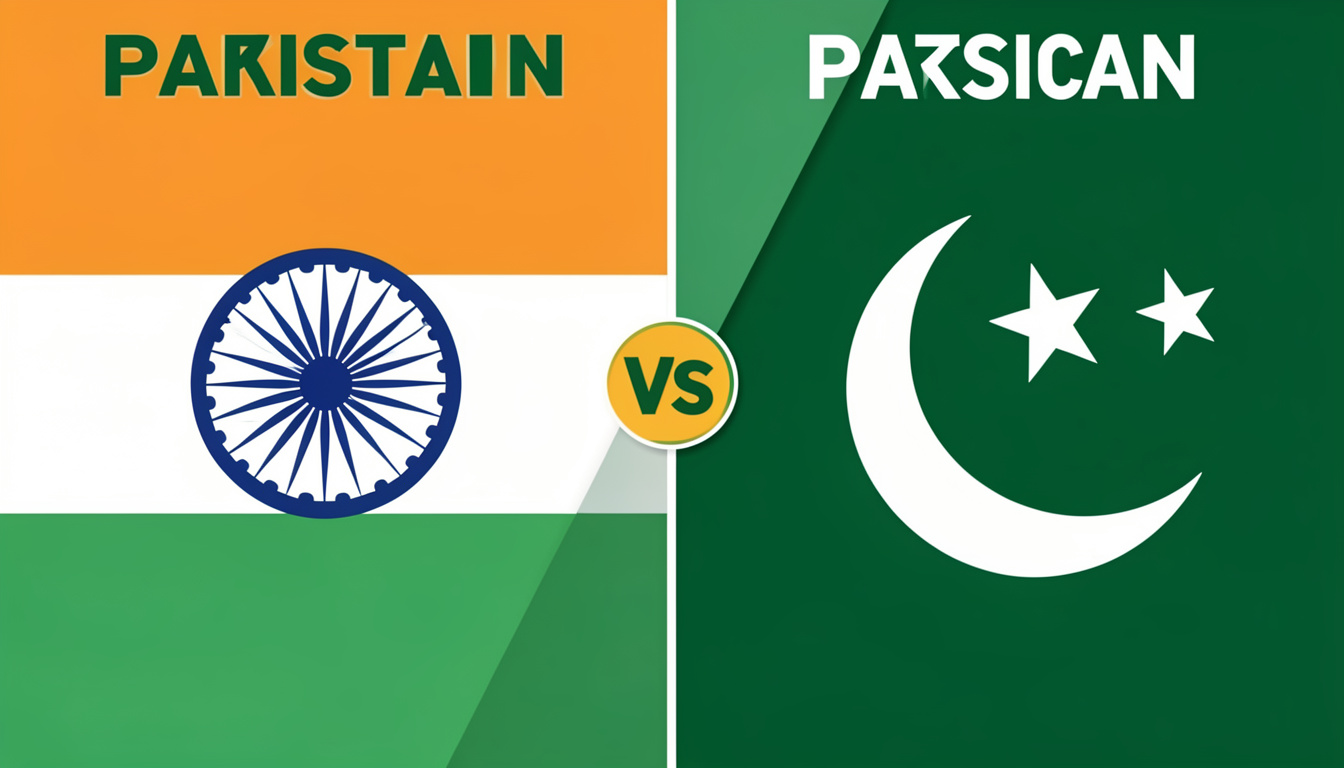
The rivalry between India vs Pakistan is one of the most intense and historic in the modern world. Stemming from the partition of British India in 1947, the two nations have experienced political, cultural, and sporting confrontations that have captivated global attention. This article explores the multifaceted dimensions of the India-Pakistan relationship, ranging from history and politics to sports and cultural exchanges.
Historical Context of India and Pakistan
The roots of the India-Pakistan rivalry trace back to the partition of the Indian subcontinent in 1947. The partition created two separate nations based primarily on religious demographics: India with a Hindu majority and Pakistan with a Muslim majority. This division led to one of the largest mass migrations in human history, accompanied by widespread violence, displacement, and loss of life.
Since then, the historical backdrop has shaped the political and social dynamics between the two countries. Several wars have been fought, primarily over territorial disputes such as the conflict over Kashmir, which remains a sensitive issue to this day. Both nations have worked intermittently towards peace but have often faced setbacks due to cross-border tensions and internal political pressures.
Political and Diplomatic Relations
India and Pakistan have had a complex diplomatic relationship characterized by periods of both hostility and tentative dialogue. They have fought multiple wars: in 1947-48, 1965, and 1971, along with the Kargil conflict in 1999. Additionally, skirmishes and border tensions frequently occur along the Line of Control (LoC) in Kashmir.
Despite these conflicts, diplomatic efforts such as the Lahore Summit in 1999 and confidence-building measures have occasionally fostered cooperation. Bilateral talks on trade, counter-terrorism, and cultural exchange have been initiated at various times, although political instability and mutual mistrust often hinder long-term progress.
Economic Perspectives
Economically, India and Pakistan have followed divergent paths. India, with its massive population and rapidly growing economy, has emerged as a global player in technology, manufacturing, and services. Pakistan, while rich in culture and resources, faces challenges such as political instability, energy shortages, and trade deficits.
Trade between the two nations remains limited due to political tensions, with restrictions and sanctions often imposed. However, economic experts suggest that increased trade cooperation could benefit both nations by creating jobs, enhancing security, and fostering regional stability.
Cultural Connections
Despite political tensions, India and Pakistan share deep cultural connections. The people of both nations have intertwined histories, languages, and traditions. Urdu and Hindi share linguistic similarities, while music, literature, and cinema continue to reflect shared cultural values.
Bollywood films and Pakistani television dramas enjoy viewership across borders. Likewise, Pakistani music and art have influenced Indian culture. Festivals, cuisine, and traditional clothing also highlight a common heritage, demonstrating that people-to-people relations often transcend political boundaries.
Sports Rivalry
One of the most celebrated aspects of the India-Pakistan relationship is their sporting rivalry, especially in cricket. Matches between the two nations attract millions of viewers globally and are often described as more than just a game. Cricket series, ICC tournaments, and World Cup encounters are marked by high emotions, national pride, and intense competition.
Beyond cricket, field hockey and squash also witness competition between India and Pakistan, though cricket remains the primary arena for their sporting rivalry. Sports serve as a platform for both nations to showcase talent while also fostering mutual respect and diplomacy.
Social Media and Public Perception
In today’s digital age, the rivalry extends to social media platforms where debates, memes, and discussions about India vs Pakistan often go viral. Public perception is shaped by nationalistic narratives, historical grievances, and ongoing political developments.
Social media can sometimes exacerbate tensions but also offers a channel for dialogue, cultural exchange, and awareness campaigns. Initiatives by influencers, artists, and journalists aim to bridge divides and promote understanding between the two populations.
Tourism and Travel Exchanges
Tourism and travel between India and Pakistan have been limited due to visa restrictions and political tensions. However, certain corridors, such as the Wagah border and the Kartarpur Corridor, have enabled people-to-people interactions and religious pilgrimages. These efforts highlight potential avenues for fostering peace and understanding despite political challenges.
Military Dynamics
The military aspect of the India-Pakistan relationship is significant. Both nations maintain substantial armed forces and nuclear capabilities. Military strategies, border security, and defense policies often dominate discussions in bilateral relations.
While military preparedness is necessary for national security, frequent skirmishes and border incidents perpetuate cycles of tension. Analysts emphasize the importance of confidence-building measures and diplomatic dialogue to reduce the risk of escalation.
Media Influence
Media plays a crucial role in shaping the India-Pakistan narrative. News outlets in both countries often emphasize national security, historical grievances, or political developments, which can influence public opinion.
At the same time, media coverage of cultural, social, and sports events provides opportunities to highlight shared values and humanize cross-border relationships. Balanced reporting can serve as a bridge for mutual understanding.
Technological and Scientific Collaboration
Though limited, there have been instances of technological and scientific collaboration between India and Pakistan. Joint research initiatives, academic exchanges, and health sector partnerships can contribute to regional development.
Promoting collaboration in science and technology, especially in areas like healthcare, agriculture, and environmental conservation, could foster trust and benefit both countries economically and socially.
Conclusion
The India-Pakistan relationship is one of complexity and contrast. While historical conflicts and political tensions define many aspects of their interaction, shared culture, language, and traditions underline the potential for mutual understanding. Sports, art, and people-to-people interactions demonstrate that despite differences, connections between citizens remain strong.
Future progress depends on balanced diplomacy, increased trade, cultural exchanges, and responsible media narratives. While challenges remain, there is hope that India and Pakistan can evolve from a relationship defined by rivalry to one marked by cooperation and peace.
Frequently Asked Questions (FAQs)
1. Why is the India-Pakistan rivalry so intense?
The rivalry stems from historical, political, and territorial disputes dating back to the partition in 1947, particularly over Kashmir. Cultural, religious, and nationalistic factors further intensify tensions.
2. How does cricket influence India-Pakistan relations?
Cricket acts as both a point of tension and a unifying platform. Matches attract massive viewership, fuel national pride, and provide opportunities for cultural diplomacy.
3. Can India and Pakistan improve trade relations?
Yes, increased trade could benefit both countries economically and politically. However, trade remains limited due to sanctions, border tensions, and political distrust.
4. Are there cultural similarities between India and Pakistan?
Absolutely. Shared language roots, cuisine, festivals, art, music, and literature reflect common historical and cultural heritage.
5. Is there hope for peace between India and Pakistan?
While challenges exist, diplomatic initiatives, people-to-people exchanges, and cooperation in sectors like tourism, sports, and technology offer avenues for improving relations.
