



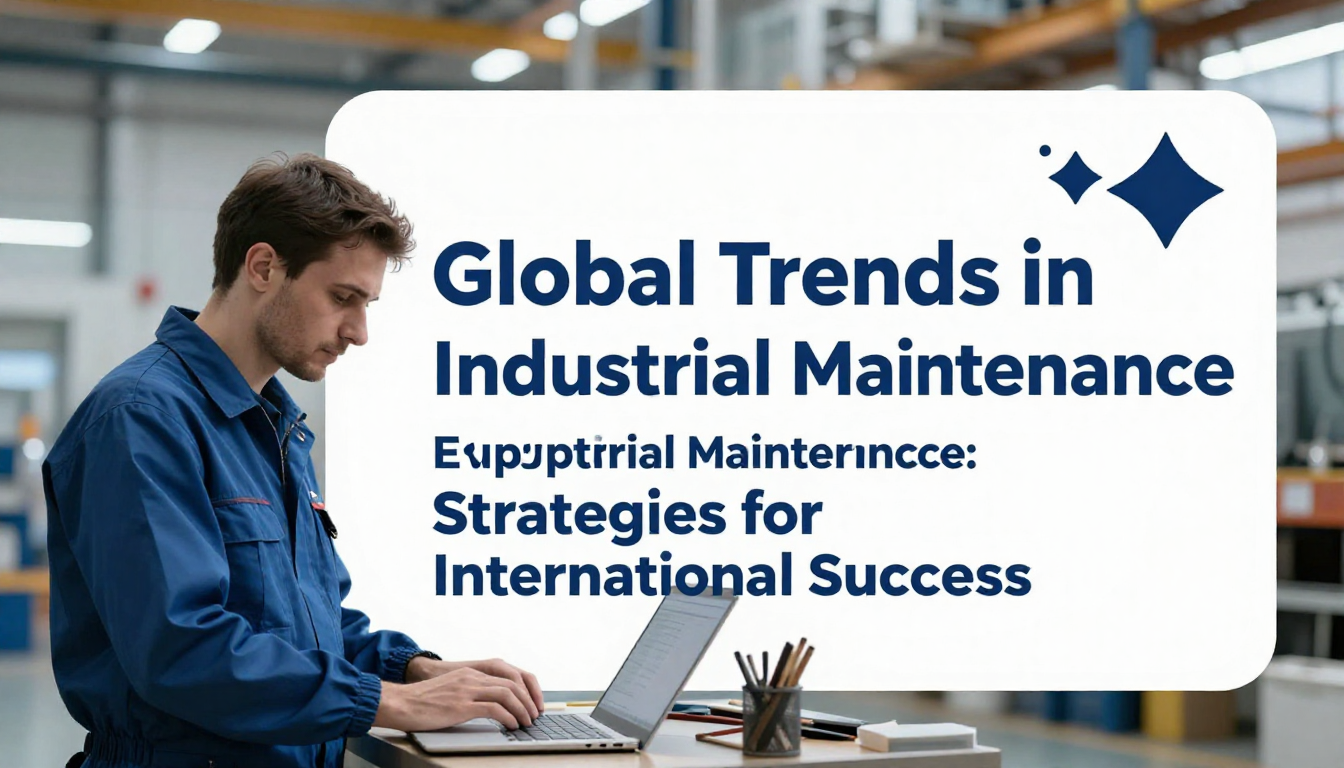
Industrial maintenance has evolved beyond local operations into a global practice that ensures machinery, equipment, and production lines function efficiently across borders. As industries expand internationally, the demand for standardized maintenance practices, innovative technologies, and skilled professionals has never been higher. Companies striving for international competitiveness must focus on maintenance strategies that optimize performance, minimize downtime, and reduce costs.
The Importance of Industrial Maintenance in Global Operations
Industrial maintenance is the backbone of manufacturing and production efficiency. On an international scale, it ensures that facilities in different countries maintain consistent performance levels. Effective maintenance reduces unplanned downtime, extends machinery life, and improves safety standards. Companies operating internationally face challenges such as varying regulations, different labor skills, and diverse environmental conditions. Addressing these factors is critical for sustaining operations and meeting global market demands.
The integration of international standards, such as ISO 55000 for asset management, allows companies to harmonize maintenance practices across multiple locations. Adopting these standards provides consistency, enhances reliability, and ensures regulatory compliance across regions.
Key Strategies for Industrial Maintenance Internationally
Implementing successful industrial maintenance programs globally requires careful planning and strategic execution.
- Preventive Maintenance: Scheduling regular inspections and servicing equipment reduces the risk of unexpected breakdowns. Preventive maintenance is particularly crucial for international operations, where service delays or lack of local expertise can lead to significant losses.
- Predictive Maintenance: Leveraging technology such as sensors, IoT devices, and AI-driven analytics, companies can predict equipment failures before they occur. Predictive maintenance allows for proactive interventions, reducing downtime and operational costs.
- Standardized Procedures: Consistency in maintenance procedures across different international facilities ensures uniform quality, reduces errors, and simplifies employee training. Standardization is essential for multinational companies that manage diverse teams and equipment.
- Skilled Workforce Development: Investing in training programs for technicians and engineers ensures that maintenance standards are upheld globally. Skilled maintenance professionals can quickly adapt to new equipment, technologies, and international regulations.
Leveraging Technology for International Maintenance
The digital transformation of industrial maintenance has created opportunities for global organizations to optimize operations. Technologies such as remote monitoring, cloud-based maintenance management systems, and augmented reality (AR) support help companies maintain machinery without the need for physical presence.
Remote monitoring enables maintenance teams to track equipment health in real time, regardless of location. This capability is especially valuable for international operations where logistical challenges can delay on-site interventions. Cloud-based systems centralize maintenance data, allowing managers to monitor performance trends, schedule maintenance, and track work orders across multiple facilities worldwide.
Augmented reality solutions assist technicians in performing complex repairs with remote guidance, reducing errors and travel costs. By integrating these technologies, companies achieve higher efficiency, improved safety, and more predictable operational outcomes.
Challenges in International Industrial Maintenance
Despite technological advancements, industrial maintenance on a global scale faces several challenges:
- Regulatory Compliance: Different countries have unique regulations regarding equipment safety, environmental impact, and labor standards. Companies must ensure their maintenance practices comply with local laws to avoid penalties and operational disruptions.
- Supply Chain Limitations: Access to spare parts and specialized equipment can be limited in certain regions. International maintenance teams must plan for inventory management and reliable supplier networks to prevent prolonged downtime.
- Cultural and Language Barriers: Communication challenges can affect maintenance quality. Clear documentation, training, and use of translation technologies help overcome these barriers.
- Cost Management: Maintenance costs vary globally due to labor, logistics, and technology expenses. Balancing cost efficiency with high-quality maintenance standards is a constant challenge for international operations.
Best Practices for Successful International Maintenance
To achieve optimal results, organizations should adopt the following best practices:
- Integrated Maintenance Planning: Combine preventive, predictive, and corrective maintenance strategies for a comprehensive approach. Integrated planning ensures all aspects of machinery care are addressed efficiently.
- Global Knowledge Sharing: Encourage collaboration between maintenance teams in different countries. Sharing best practices, lessons learned, and innovative solutions improves overall performance.
- Sustainability Initiatives: Incorporate eco-friendly maintenance practices such as energy-efficient equipment, proper waste disposal, and environmentally responsible sourcing. Sustainable maintenance not only reduces costs but also aligns with international environmental standards.
- Continuous Improvement: Regularly review maintenance outcomes and implement improvements. Using performance metrics and benchmarking helps organizations identify areas of improvement and maintain competitive advantages.
The Future of Industrial Maintenance Internationally
The future of industrial maintenance on a global scale is closely tied to technological innovation and workforce development. Emerging trends include:
- Artificial Intelligence and Machine Learning: AI-powered tools will enhance predictive maintenance capabilities, allowing companies to detect subtle anomalies before they lead to failures.
- Robotics and Automation: Automated maintenance robots can perform repetitive or hazardous tasks, increasing safety and efficiency in international facilities.
- Digital Twins: Creating virtual replicas of machinery enables simulation of maintenance procedures and performance monitoring, helping companies optimize operations globally.
- Global Workforce Collaboration: Remote collaboration tools and training platforms will allow international maintenance teams to work together seamlessly, overcoming geographical limitations.
Conclusion
Industrial maintenance is no longer a localized activity—it is an essential aspect of international operations. Companies that invest in standardized practices, skilled workforce development, and advanced technologies gain a competitive edge in the global market. By addressing challenges such as regulatory compliance, supply chain limitations, and communication barriers, organizations can maintain high-performance operations across borders. The future of industrial maintenance is digital, collaborative, and sustainable, offering unprecedented opportunities for efficiency, reliability, and growth worldwide.
Frequently Asked Questions (FAQs)
What is industrial maintenance international?
Industrial maintenance international refers to the strategies, practices, and technologies used to maintain machinery, equipment, and facilities across multiple countries or global operations.
Why is standardization important in international maintenance?
Standardization ensures consistent quality, safety, and efficiency across all facilities, simplifies training, and helps comply with international regulations.
How does predictive maintenance help global operations?
Predictive maintenance uses sensors, IoT devices, and data analytics to anticipate equipment failures, allowing companies to act proactively, reduce downtime, and save costs.
What are common challenges in international industrial maintenance?
Challenges include regulatory differences, supply chain limitations, communication barriers, workforce skill gaps, and varying maintenance costs across regions.
Which technologies are shaping the future of industrial maintenance?
Technologies like AI, IoT, robotics, digital twins, augmented reality, and cloud-based maintenance management systems are transforming global maintenance practices.
