



ticket sale effectiveness gamificationsummit In today’s experience-driven world, selling event tickets is no longer just about promotions, discounts, or early-bird offers. Audiences have evolved. They want interaction, excitement, and value long before they ever step into a venue. This shift has reshaped how event organizers approach sales, and nowhere is this transformation more visible than at GamificationSummit.
ticket sale effectiveness gamificationsummit represents more than just a conference; it’s a living example of how engagement, psychology, and interactive design can elevate ticket sale effectiveness gamificationsummit. Understanding ticket sale effectiveness GamificationSummit strategies offers valuable insight into why gamified approaches outperform traditional methods and how events can build long-term loyalty rather than one-time attendance.
This article explores how ticket sale effectiveness gamificationsummit work in a gamified environment, why they are more effective, and what lessons event organizers, marketers, and businesses can learn from GamificationSummit’s success.
Understanding the Modern Event Ticket Landscape
The event industry has changed dramatically over the last decade. People are overwhelmed with choices, from online webinars to global conferences. As a result, attention has become the most valuable currency.
Traditional ticket-selling methods often rely on urgency or price reductions. While these tactics can still work, they rarely build excitement or emotional attachment. GamificationSummit took a different path by focusing on participation, curiosity, and achievement.
Instead of asking potential attendees to “buy now,” the event invites them into an experience before the event even begins.
What Makes GamificationSummit Different from Other Events
ticket sale effectiveness gamificationsummit is centered around interactive learning, behavioral science, and game-based motivation. That philosophy doesn’t stop at the stage or workshops—it extends into the ticketing journey itself.
From the first announcement to the final ticket sold, every step feels like part of a game. Attendees are not passive buyers; they become players with goals, rewards, and progress.
This approach creates momentum, making the ticket purchase feel like a milestone rather than a transaction.
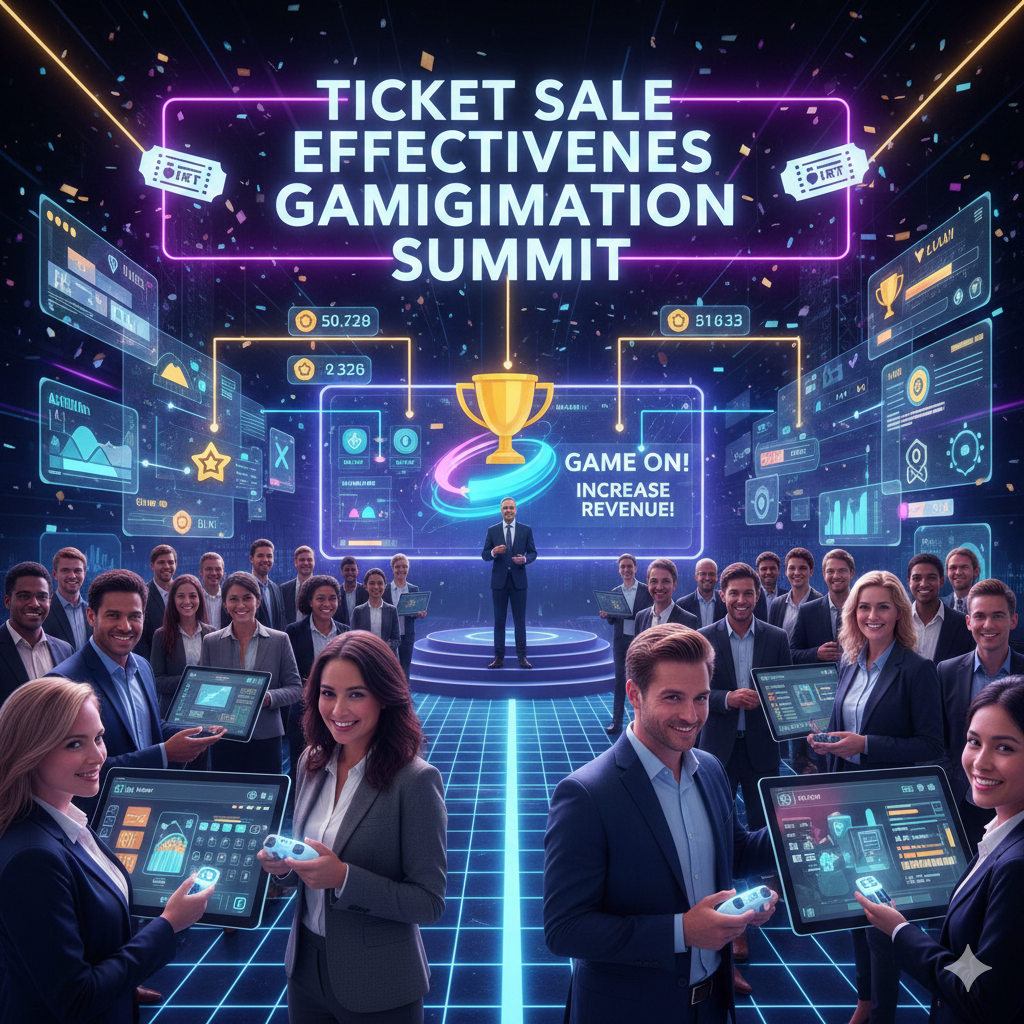
The Psychology Behind Gamified Ticket Sales
Human behavior is driven by motivation, curiosity, and reward. Gamification taps into these natural instincts by using mechanics such as points, levels, challenges, and recognition.
When applied to ticket sales, these mechanics change how people perceive value. Instead of focusing only on price, potential attendees focus on what they can unlock, achieve, or experience.
The ticket sale effectiveness gamificationsummit demonstrates how psychology-driven design can outperform pressure-based selling.
Building Anticipation Before Tickets Are Released
One of the strongest factors behind successful ticket sales is anticipation. ticket sale effectiveness gamificationsummit creates excitement long before tickets become available.
Teasers, countdowns, and interactive challenges give people something to look forward to. Rather than waiting passively, the audience feels involved in the journey.
This sense of anticipation reduces hesitation when tickets finally go on sale, because interest has already been nurtured.
Turning Early Buyers into Active Participants
Early buyers are often the most enthusiastic supporters of an event. ticket sale effectiveness gamificationsummit rewards this enthusiasm by recognizing early participants in meaningful ways.
Instead of simply offering discounts, early ticket holders may gain access to exclusive content, behind-the-scenes updates, or special challenges. These incentives encourage them to stay engaged and share their excitement with others.
This approach transforms early buyers into ambassadors, naturally increasing visibility and trust.
Social Proof Through Interactive Experiences
People trust people. When potential attendees see others engaging with an event, they feel more confident about participating themselves.
ticket sale effectiveness gamificationsummit leverages social interaction by encouraging sharing, collaboration, and friendly competition. Leaderboards, community challenges, and shared achievements help create a sense of belonging.
As more people participate publicly, interest grows organically, strengthening ticket demand without aggressive selling.
Why Engagement Outperforms Discounts
Discounts may boost short-term sales, but they often reduce perceived value. ticket sale effectiveness gamificationsummit proves that engagement can be far more powerful.
When people feel emotionally invested, price becomes less of a barrier. They are buying an experience, not just access.
This is a key reason why ticket sale effectiveness GamificationSummit strategies focus on value creation rather than constant price reductions.
Creating a Sense of Progress and Achievement
Progress is motivating. ticket sale effectiveness gamificationsummit integrates progress indicators that show potential attendees how close they are to unlocking benefits or reaching milestones.
This might include completing a challenge, attending a pre-event session, or referring friends. Each action feels rewarding and meaningful.
By the time someone purchases a ticket, they already feel accomplished, making the decision feel justified and satisfying.
Personalization as a Sales Driver
Personalized experiences increase relevance, and relevance drives action. ticket sale effectiveness gamificationsummit tailors communication and engagement based on user behavior.
Whether someone is a first-time attendee or a returning participant, their journey feels customized. This personalization builds trust and makes the ticket purchase feel aligned with individual goals.
As a result, conversion rates improve naturally without overwhelming persuasion.
Leveraging Scarcity Without Pressure
Scarcity is effective when used responsibly. GamificationSummit introduces limited rewards, exclusive sessions, or time-based challenges without creating stress.
Instead of fear, scarcity is framed as opportunity. Attendees feel motivated rather than rushed, which leads to more positive purchasing decisions.
This balance plays a crucial role in maintaining long-term trust while improving ticket outcomes.
Community Building Before the Event
One of the most overlooked aspects of ticket sales is community. GamificationSummit invests heavily in building a sense of connection before the event even begins.
Discussion spaces, collaborative challenges, and interactive previews allow attendees to meet and interact early. When people feel part of a group, attending the event becomes more meaningful.
This community-driven approach significantly strengthens commitment and reduces cancellations.
The Role of Storytelling in Ticket Sales
Stories are powerful. GamificationSummit doesn’t just promote speakers or schedules; it tells a story about transformation, learning, and growth.
Potential attendees see themselves as part of that story. The ticket becomes a key that unlocks the next chapter.
This emotional narrative enhances ticket appeal without relying on exaggerated claims.
Measuring Success Beyond Ticket Numbers
While ticket sales are important, GamificationSummit measures success in deeper ways. Engagement levels, participation rates, and community activity are equally valued.
This broader perspective ensures that ticket sales are sustainable rather than purely transactional. Attendees who feel engaged are more likely to return, recommend, and stay connected.
That long-term view is a defining factor in the ticket sale effectiveness GamificationSummit model.
Lessons Event Organizers Can Learn
There are several takeaways from GamificationSummit’s approach that any event can apply:
- Focus on experience, not just promotion
- Engage audiences before asking them to buy
- Reward participation, not just purchases
- Build community early
- Use psychology ethically and thoughtfully
These principles help create events that people genuinely want to attend.
Why Gamification Works in a Digital-First World
In a digital environment, attention spans are shorter, and competition is fierce. Gamification cuts through noise by making interaction enjoyable.
GamificationSummit understands that people crave experiences that feel rewarding. By designing ticket journeys as interactive paths, the event stays memorable.
This is why gamified ticket strategies are becoming increasingly relevant across industries.
Maintaining Trust and Authenticity
Trust is fragile. Overusing gimmicks or artificial urgency can damage credibility. GamificationSummit avoids this by aligning every mechanic with real value.
Rewards are meaningful, challenges are relevant, and communication is transparent. This authenticity strengthens relationships and reinforces confidence in the event.
Trust, once established, becomes one of the strongest drivers of ticket commitment.
The Impact on Repeat Attendance
Repeat attendees are a strong indicator of success. GamificationSummit’s approach encourages people to return year after year.
By making each edition feel fresh yet familiar, the event builds anticipation for what’s next. Returning participants already feel invested, making future ticket decisions easier.
This loyalty loop is a direct outcome of thoughtful engagement.
How Gamified Ticket Sales Influence Brand Perception
Ticket experiences shape how people perceive an event brand. GamificationSummit positions itself as innovative, inclusive, and participant-focused.
Every interaction reinforces that identity. As a result, attendees associate the brand with quality and creativity.
Strong brand perception enhances word-of-mouth and naturally supports ticket demand.
Adapting Gamification for Different Audiences
Not all audiences respond to the same mechanics. GamificationSummit adapts its approach based on attendee profiles.
Some people enjoy competition, while others prefer collaboration or exploration. By offering multiple paths to engagement, the event appeals to a broader audience.
This flexibility increases accessibility and inclusiveness.
Challenges and Responsible Use of Gamification
While gamification is powerful, it must be used responsibly. Overcomplication or excessive rewards can overwhelm users.
GamificationSummit maintains balance by keeping mechanics intuitive and aligned with the event’s purpose. Simplicity ensures that engagement feels natural rather than forced.
Responsible design preserves long-term effectiveness.
The Future of Ticket Sales and Gamified Experiences
As technology evolves, ticket sales will continue to shift toward interactive models. GamificationSummit offers a glimpse into this future.
From immersive previews to personalized challenges, the ticket journey will become more experiential. Events that adapt early will have a competitive advantage.
The success of ticket sale effectiveness GamificationSummit strategies signals a broader industry transformation.
Final Thoughts on Engagement-Driven Ticket Success
Ticket sales are no longer just about convincing people to attend. They are about inviting people into an experience.
GamificationSummit proves that when engagement, psychology, and authenticity work together, ticket sales become a natural outcome rather than a struggle.
By focusing on connection, participation, and value, events can achieve stronger results while building meaningful relationships with their audience.
In the end, effective ticket sales are not about selling harder—but about engaging smarter.
READ MORE: Blogbuzznews.com
