



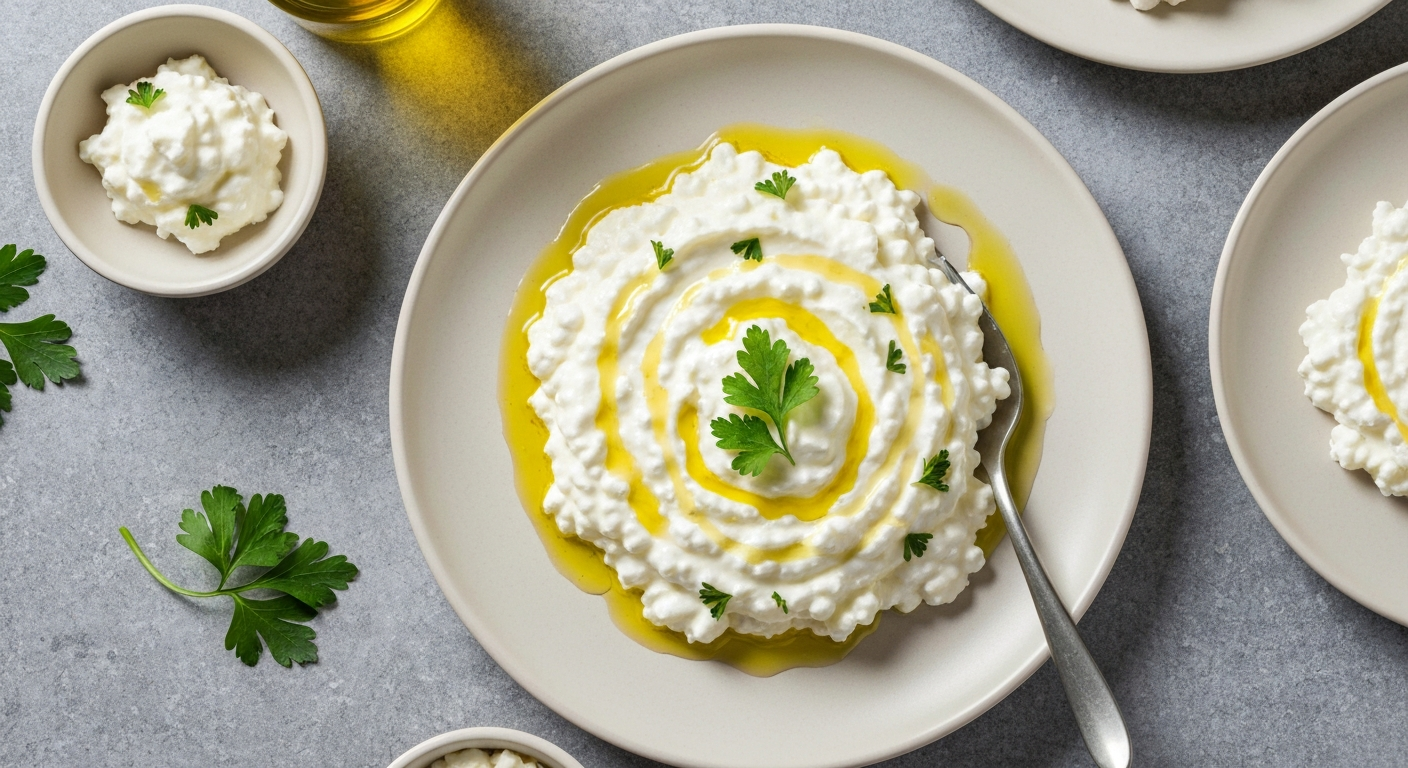
Veganism has gained immense popularity in recent years, driven by health, environmental, and ethical concerns. One area where plant-based options have made significant strides is in dairy alternatives. Among these, vegan cottage cheese has emerged as a versatile and nutritious option for those looking to enjoy the creamy, tangy texture of traditional cottage cheese without animal products. This article explores everything you need to know about vegan cottage cheese, including its benefits, ingredients, homemade recipes, and uses.
What is Vegan Cottage Cheese?
Vegan cottage cheese is a plant-based alternative to traditional cottage cheese. Unlike regular cottage cheese, which is made from cow’s milk, vegan versions use ingredients such as tofu, nuts, soy, coconut, or cashews. These ingredients are blended or processed to mimic the soft, crumbly texture of dairy cottage cheese, while providing a rich, creamy flavor. Vegan cottage cheese is suitable for individuals who are lactose intolerant, allergic to dairy, or following a vegan lifestyle.
Nutritional Benefits of Vegan Cottage Cheese
Vegan cottage cheese is not only a delicious alternative but also offers several nutritional benefits. It is generally lower in saturated fat and cholesterol than traditional cottage cheese. Plant-based ingredients like tofu, nuts, and soy provide essential nutrients such as protein, calcium, and healthy fats. Many vegan cottage cheese varieties are fortified with vitamin B12 and vitamin D, which are commonly found in animal products. Additionally, vegan cottage cheese contains fiber and antioxidants that support digestion and overall health.
Popular Ingredients in Vegan Cottage Cheese
Vegan cottage cheese can be made from a variety of plant-based ingredients. Some common ones include:
Tofu – Silken or firm tofu is often used as a base because of its soft texture and high protein content. It absorbs flavors well and can replicate the consistency of dairy cottage cheese.
Cashews – Soaked cashews create a creamy and slightly nutty base. They are rich in healthy fats, vitamins, and minerals.
Almonds – Almonds can be soaked, blended, and combined with other ingredients to produce a smooth, crumbly cheese-like texture.
Soy Milk – Used as a liquid base, soy milk enhances creaminess and adds protein.
Coconut Yogurt – Provides a tangy flavor and creamy consistency, often used in combination with other ingredients.
Nutritional Yeast – Adds a cheesy flavor, making vegan cottage cheese taste closer to the traditional version.
Lemon Juice and Apple Cider Vinegar – Used to give a slight tanginess that mimics the natural acidity in dairy cottage cheese.
How to Make Vegan Cottage Cheese at Home
Making vegan cottage cheese at home is simple and allows for customization based on taste and dietary preferences. Here’s a basic method:
Step 1: Soak 1 cup of cashews in water for 4-6 hours, then drain.
Step 2: Blend the cashews with 1/4 cup water, 2 tablespoons lemon juice, 1 tablespoon apple cider vinegar, and a pinch of salt until smooth.
Step 3: Crumble 1/2 block of firm tofu and mix it with the cashew cream.
Step 4: Stir in 1-2 tablespoons of nutritional yeast for a cheesy flavor.
Step 5: Chill in the refrigerator for 1-2 hours before serving.
The result is a creamy, slightly tangy vegan cottage cheese that can be used in a variety of dishes.
Store-Bought Vegan Cottage Cheese Options
For convenience, several brands now offer ready-made vegan cottage cheese. These options are widely available in health food stores and online. Some popular brands include Tofutti, Kite Hill, and Follow Your Heart. Store-bought vegan cottage cheese comes in various flavors and textures, ranging from soft and creamy to slightly crumbly. Many of these products are fortified with vitamins and minerals, making them a nutritious alternative to dairy cottage cheese.
Culinary Uses of Vegan Cottage Cheese
Vegan cottage cheese is incredibly versatile and can be used in both savory and sweet dishes.
In Breakfast Recipes – Add it to toast, bagels, or smoothies for a protein boost.
In Salads – Crumble vegan cottage cheese over salads for added creaminess.
In Baking – Use it in vegan lasagna, casseroles, or savory pies as a cheese substitute.
In Desserts – Sweeten with fruit or maple syrup for a healthy dessert option.
In Snacks – Pair it with crackers, vegetables, or fresh herbs for a light and nutritious snack.
Tips for Choosing the Best Vegan Cottage Cheese
When selecting vegan cottage cheese, consider the following tips:
Check the ingredients list for whole, natural ingredients rather than artificial additives.
Look for brands fortified with calcium, vitamin B12, and vitamin D.
Consider the texture – some people prefer creamy, while others like crumbly.
Choose unsweetened varieties if using in savory dishes.
Opt for organic or non-GMO options if available.
Common Myths About Vegan Cottage Cheese
Myth 1: Vegan cottage cheese doesn’t provide enough protein.
Reality: Many plant-based cottage cheeses, especially those made with tofu or soy, are high in protein.
Myth 2: Vegan cottage cheese tastes bland.
Reality: With the right ingredients and seasonings, vegan cottage cheese can be as flavorful and creamy as dairy versions.
Myth 3: It’s difficult to make at home.
Reality: Homemade vegan cottage cheese requires only a few ingredients and minimal preparation time.
Environmental Benefits of Choosing Vegan Cottage Cheese
Choosing vegan cottage cheese over dairy options has significant environmental benefits. Plant-based production generally requires less water, land, and energy than dairy farming. It also produces fewer greenhouse gas emissions. By switching to vegan alternatives, individuals can reduce their carbon footprint and support sustainable food practices.
Challenges and Considerations
While vegan cottage cheese has many benefits, there are a few considerations. Some varieties may contain added oils or preservatives, so it’s important to read labels carefully. Additionally, achieving the perfect texture at home may require experimentation with different ingredients. Finally, while vegan cottage cheese is nutritious, it should be part of a balanced diet that includes a variety of protein, fiber, and healthy fats.
Conclusion
Vegan cottage cheese is a delicious, nutritious, and environmentally friendly alternative to traditional dairy products. With its creamy texture, tangy flavor, and versatile culinary uses, it has become a staple for those following a plant-based diet. Whether homemade or store-bought, vegan cottage cheese offers numerous health benefits while supporting sustainable eating practices. Its growing popularity reflects the shift toward plant-based alternatives that are both tasty and good for the planet.
FAQs About Vegan Cottage Cheese
1. Is vegan cottage cheese high in protein?
Yes, many vegan cottage cheeses, especially those made from tofu or soy, are high in protein, comparable to traditional cottage cheese.
2. Can vegan cottage cheese be used in recipes that call for dairy cheese?
Absolutely. Vegan cottage cheese can substitute in lasagna, casseroles, salads, or baked goods, though the texture may vary slightly.
3. How long does vegan cottage cheese last in the fridge?
Homemade vegan cottage cheese typically lasts 3-5 days when stored in an airtight container, while store-bought varieties may last longer depending on preservatives.
4. Can I make vegan cottage cheese without nuts?
Yes, tofu-based or coconut-based recipes allow you to make vegan cottage cheese without using nuts.
5. Does vegan cottage cheese taste the same as dairy cottage cheese?
While it may not be identical, vegan cottage cheese can be very similar in taste and texture, especially when seasoned with lemon juice, vinegar, and nutritional yeast.
